


The boss of the Bank of England has defended the independence of the world’s central banks including from the threat of populism.
Andrew Bailey said the Bank should be insulated from “short-term political pressures” but remain accountable to Parliament.
In a speech at the London School of Economics Trium Anniversary Conference, Mr Bailey said: “Across many countries we have witnessed growing scepticism towards public institutions generally.
“In the case of central banks, as I mentioned earlier, some critics argue they are too close to financial interests and that they stand in the way of popular preferences.”
He said one particular challenge to central bank independence was coming from “populist political movements”, adding: “Any institution seen to get in the way becomes an unrepresentative elite standing between the people and their will, and thus an obstacle to popular sovereignty.
“This is a serious challenge.”
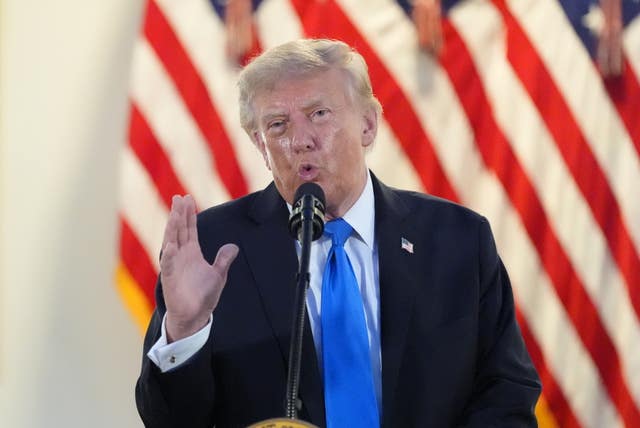
Mr Bailey did not specify any leaders, parties or countries, but his remarks come after the Bank’s counterpart in the US, the Federal Reserve, has been thrust into the spotlight because of criticism from President Donald Trump for being too slow to cut interest rates in the country.
At the start of the year, the Fed’s former chairman, Jerome Powell, said the central bank’s independence was being undermined by the threat of criminal charges from Mr Trump, while the president has also attempted to oust its governor Lisa Cook.
In the UK, Reform UK has expressed criticism over the Bank of England’s bond-selling programme, known as quantitative tightening, arguing that it causes significant losses for the taxpayer.
While the party, led by Nigel Farage, has said it would make changes to the way the central bank operates, it has committed to maintaining its independence.
Mr Bailey went on to say central banks “cannot take legitimacy for granted” and must communicate clearly and openly with the public, and remain accountable to elected representatives.
“Central bank independence does not mean detachment from democracy”, he stressed.
“It means insulation from short-term political pressures within a democratic framework.
“Its legitimacy derives from a parliamentary delegation and accountability goes with that independence.”


Share